May 1, 2026
In the modern industrial landscape, where downtime is measured in lost revenue and operational efficiency is the ultimate goal, the durability of your infrastructure is paramount. Facility managers are constantly seeking ways to harden their workspace without halting productivity, and the evolution of polymer chemistry has provided a definitive answer. By selecting the right high-speed chemical solutions, businesses can transform concrete surfaces into impenetrable shields against chemical spills, heavy machinery, and constant foot traffic. This guide explores the strategic implementation of advanced protective layers, detailing how you can achieve maximum resilience while maintaining the relentless pace of modern production environments.
Assessing the Critical Role of Durable Surfaces
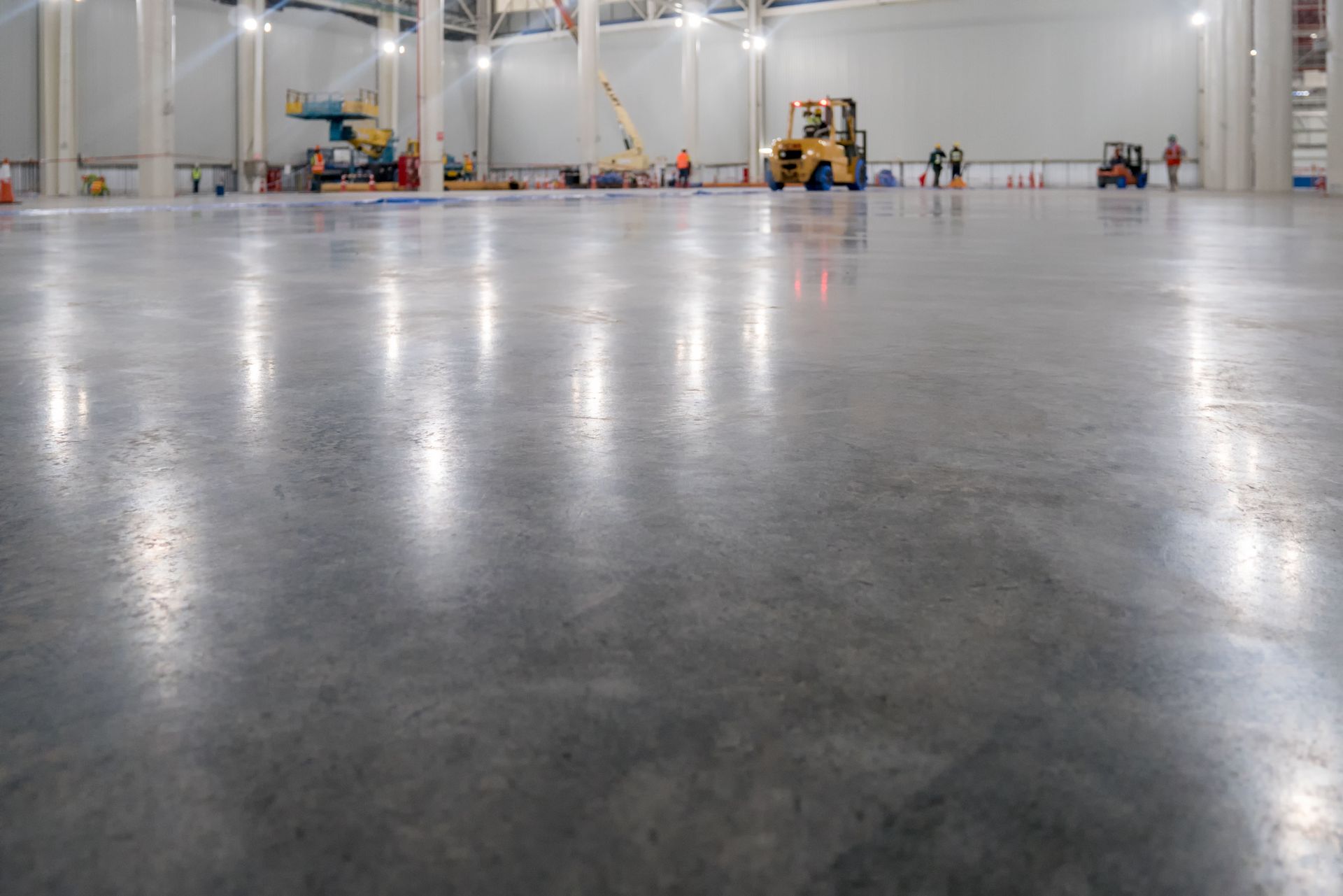
The foundation of any high-performance industrial facility is not just concrete, but how that concrete is protected. Raw, untreated concrete is porous and susceptible to oil penetration, chemical corrosion, and mechanical abrasion, all of which compromise structural integrity over time. By implementing professional-grade floor coatings, you create an impermeable barrier that significantly extends the lifespan of the substrate. This protective layer is not merely an aesthetic choice; it is an essential asset for maintaining a safe and clean working environment. When selecting these materials, it is vital to prioritize those that offer high cross-link density, as this directly correlates to the surface's ability to withstand extreme physical and environmental stress.
Furthermore, industrial-strength protection must account for the specific demands of your sector. Whether you operate a food processing plant requiring USDA-compliant finishes or a manufacturing floor subjected to heavy forklift traffic, the system you choose must be engineered for your unique stressors. Investing in superior, high-speed floor coatings today prevents the exponential costs associated with concrete repair and facility downtime later. When the chemistry of the coating is properly matched to the operational requirements of the facility, the resulting surface becomes a foundational element of industrial success, capable of handling the most rigorous daily operations with ease.
Implementing Rapid-Cure Technology for Maximum Uptime
One of the most significant advancements in material science is the move toward rapid-curing systems that do not sacrifice strength for speed. Traditionally, industrial projects were delayed by days while waiting for standard epoxies to cure, causing massive bottlenecks in production schedules. Today, however, innovation has changed the playing field entirely. According to the Concrete Network, polyaspartic coatings (a type of high-performance concrete coating) can cure in as little as 5 to 120 minutes, depending on formulation, enabling faster turnaround for installations. This dramatic reduction in drying time allows maintenance crews to complete sections of the facility during off-hours or even during short production lulls, virtually eliminating the need for extended operational shutdowns.
Integrating these high-speed systems requires careful planning, but the ROI is immediate. Because these materials possess an exceptionally low viscosity, they penetrate deep into the concrete profile, creating a mechanical bond that is far stronger than traditional, thicker coatings. This deep penetration is what gives these modern floor coatings their signature "industrial strength," allowing them to grip the surface so tightly that delamination becomes an unlikely event even under heavy impact. By adopting these fast-curing floor coatings technologies, you are not just painting a floor; you are optimizing your entire facility's uptime, ensuring that your infrastructure supports your production goals rather than hindering them with lengthy maintenance intervals.
Preparing the Substrate for Permanent Adhesion
Achieving long-term industrial strength is entirely dependent on the preparation of the underlying concrete surface. No matter how advanced the chemistry of your chosen material may be, it will inevitably fail if it is applied to a dirty, weak, or improperly prepared base. The goal of preparation is to create a "surface profile"—a texture that gives the liquid material a landscape to grab onto. This is typically achieved through diamond grinding or shot blasting, processes that remove surface contaminants and open the concrete pores. Without this crucial step, the best floor coatings in the world would simply sit on top, waiting for the first sign of moisture or traffic to peel away.
Once the surface has been mechanically profiled, it must be thoroughly cleaned and assessed for moisture content. Many high-speed coatings are sensitive to hydrostatic pressure, and failing to test for excessive moisture before application is a common cause of failure. Professional installers use moisture meters and calcium chloride tests to ensure the slab is ready to receive the coating. This level of diligence might seem intensive, but it is the difference between a floor that lasts for years and one that needs replacement in months. By treating the preparation phase as an engineering task rather than a cleaning chore, you ensure that the bond between your concrete and the protective layer is permanent.
Selecting the Correct Chemistry for Environmental Resilience
Not all high-speed materials are created equal, and understanding the chemical properties of different options is essential for choosing the right one. For instance, while some systems excel at chemical resistance, others are designed specifically for extreme impact protection or high UV stability in outdoor environments. If your facility uses harsh cleaning chemicals, acids, or solvents, you must ensure that the floor coatings you select have been tested specifically for those substances. The wrong decision could lead to premature staining, etching, or complete degradation of the surface, undermining the protection you paid for.
It is equally important to consider the flexibility of the material. A truly resilient industrial floor must be able to flex slightly under the weight of heavy, moving machinery without cracking. Rigid systems might offer high hardness, but they can be brittle. Conversely, elastomeric systems offer incredible impact absorption but might suffer under high-point loads, such as stationary heavy equipment. Modern hybrid systems often combine the best of both worlds, offering both high impact resistance and the ability to bridge microscopic cracks in the concrete slab. By evaluating your facility's chemical exposure, weight loads, and temperature fluctuations, you can select a chemical profile that is purpose-built to withstand your specific environment.
Managing the Installation Process for Optimal Results
The execution phase is where the technical specifications meet the reality of the job site. Even with rapid-cure materials, the margin for error is razor-thin. Temperature and humidity play a massive role in the reaction time of these polymers. If the application environment is too hot or too cold, the material may cure too quickly or fail to set at all. Professional installation teams are trained to monitor environmental variables constantly, adjusting their mixing and application techniques in real-time to match the ambient conditions. This level of precision is the cornerstone of high-speed installations.
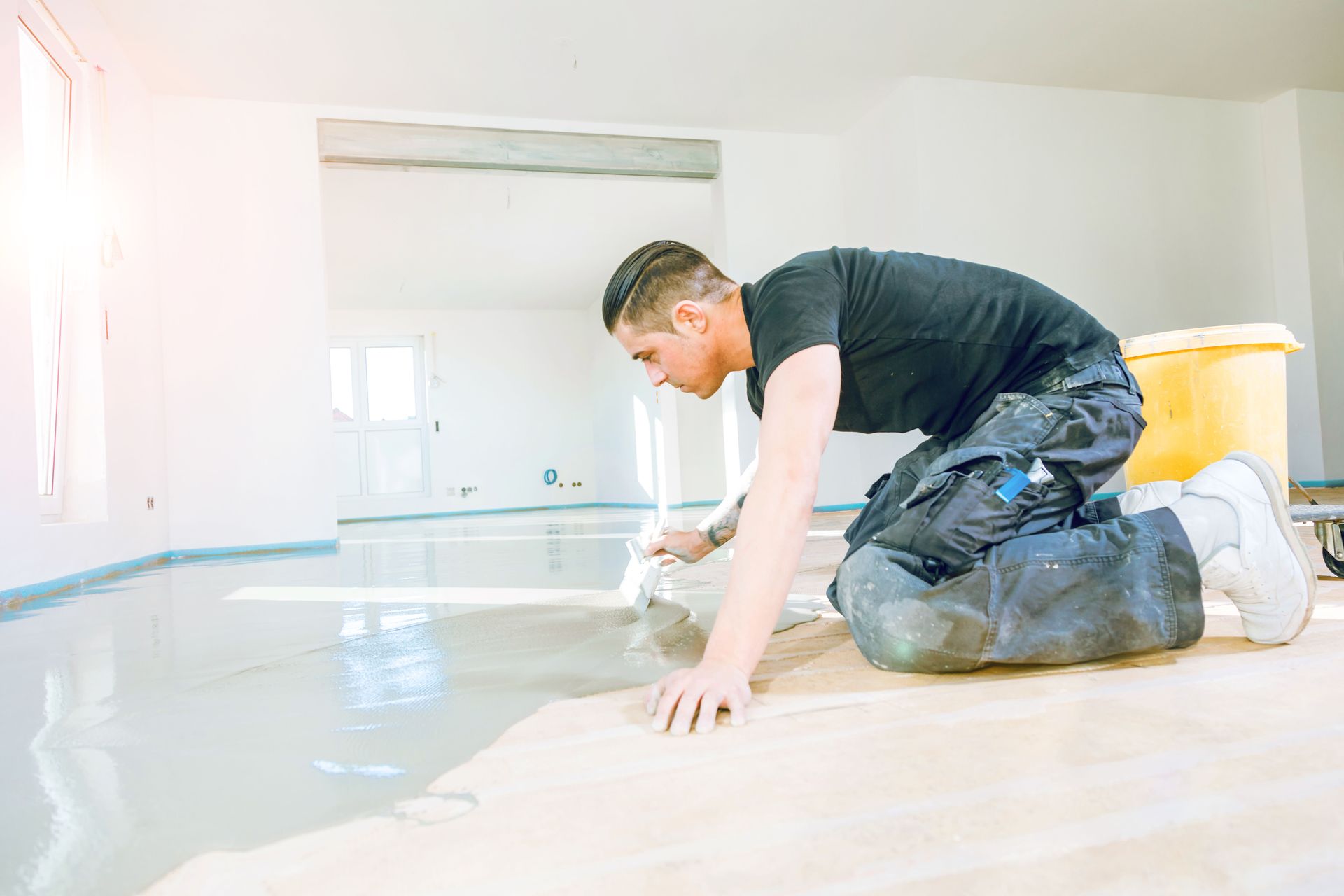
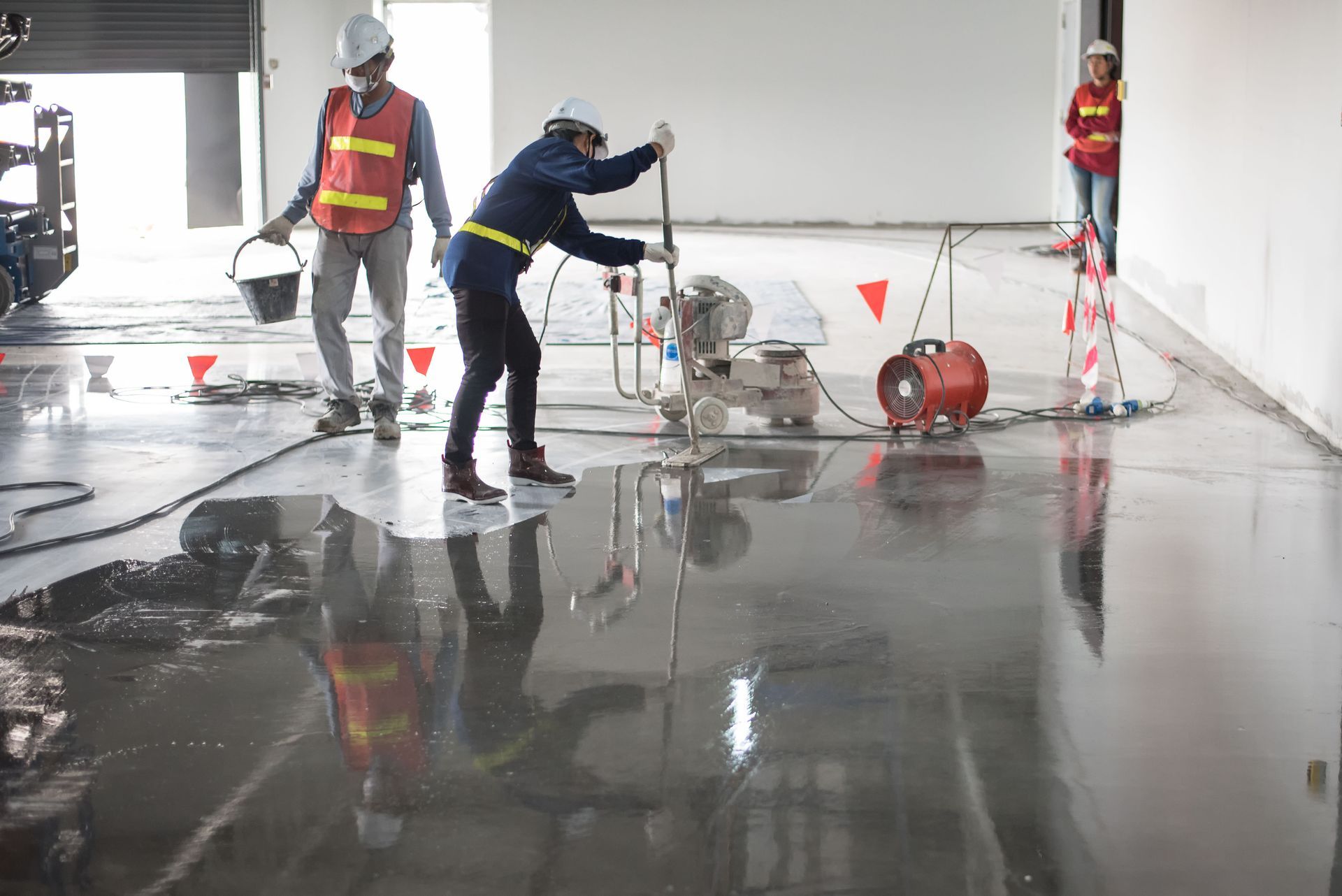
Additionally, the thickness of the application must be monitored carefully. Too thin, and you lose the protective barrier; too thick, and the material may not cure evenly, leading to "soft spots" or internal stress within the coating. Skilled applicators utilize specialized equipment, such as squeegees, notched trowels, and rollers, to achieve a uniform mil thickness across the entire square footage. They also pay close attention to the transition areas, such as floor-to-wall joints and drainage pits, where failure is most common. By carefully managing every variable of the installation process, you ensure that the high-speed performance of the product is fully realized across the entire facility floor.
In conclusion, achieving industrial strength with high-speed solutions is a multifaceted endeavor that relies on the harmony between material selection, surface preparation, and expert application. By understanding the capabilities of rapid-curing systems and following best practices, facility managers can significantly reduce downtime while creating a workspace that is built to endure the most demanding conditions. The transition from traditional, slow-curing systems to modern, rapid-turnaround solutions is not just an upgrade in speed, but an essential move toward operational excellence.
Ultimately, your facility's floor is the canvas upon which your business operations are drawn. Investing in high-performance materials is an investment in the productivity, safety, and longevity of your enterprise. As technology continues to push the boundaries of what is possible in surface protection, those who leverage these advancements will find themselves with a significant competitive advantage. Keep these principles of material science and site management in mind, and you will be well-positioned to maintain a facility that is as durable as it is efficient. Are you seeking professional help with floor coatings in Central and Northeast Wisconsin? If so, contact the team at Ultimate Concrete Coatings today.