March 20, 2026
The floor beneath our feet is one of the most overlooked elements of any space, yet its protection and upkeep are essential to both safety and aesthetics. From bustling commercial warehouses to busy residential garages, the surfaces we walk on endure constant stress from foot traffic, equipment, spills, and environmental conditions — making their care far more important than most property owners realize. Local floor coatings play an integral role in building maintenance, offering longevity, beauty, and practicality across a wide range of surfaces and settings.
However, choosing the right coating is only half the equation. Without consistent care and attention, even the highest-quality coating will deteriorate prematurely, diminishing both its functional value and visual appeal. Proper maintenance is what truly maximizes the return on these investments, ensuring that local floor coatings continue to perform at their best and serve their intended purpose for years to come.
Understand the Different Types of Floor Coatings
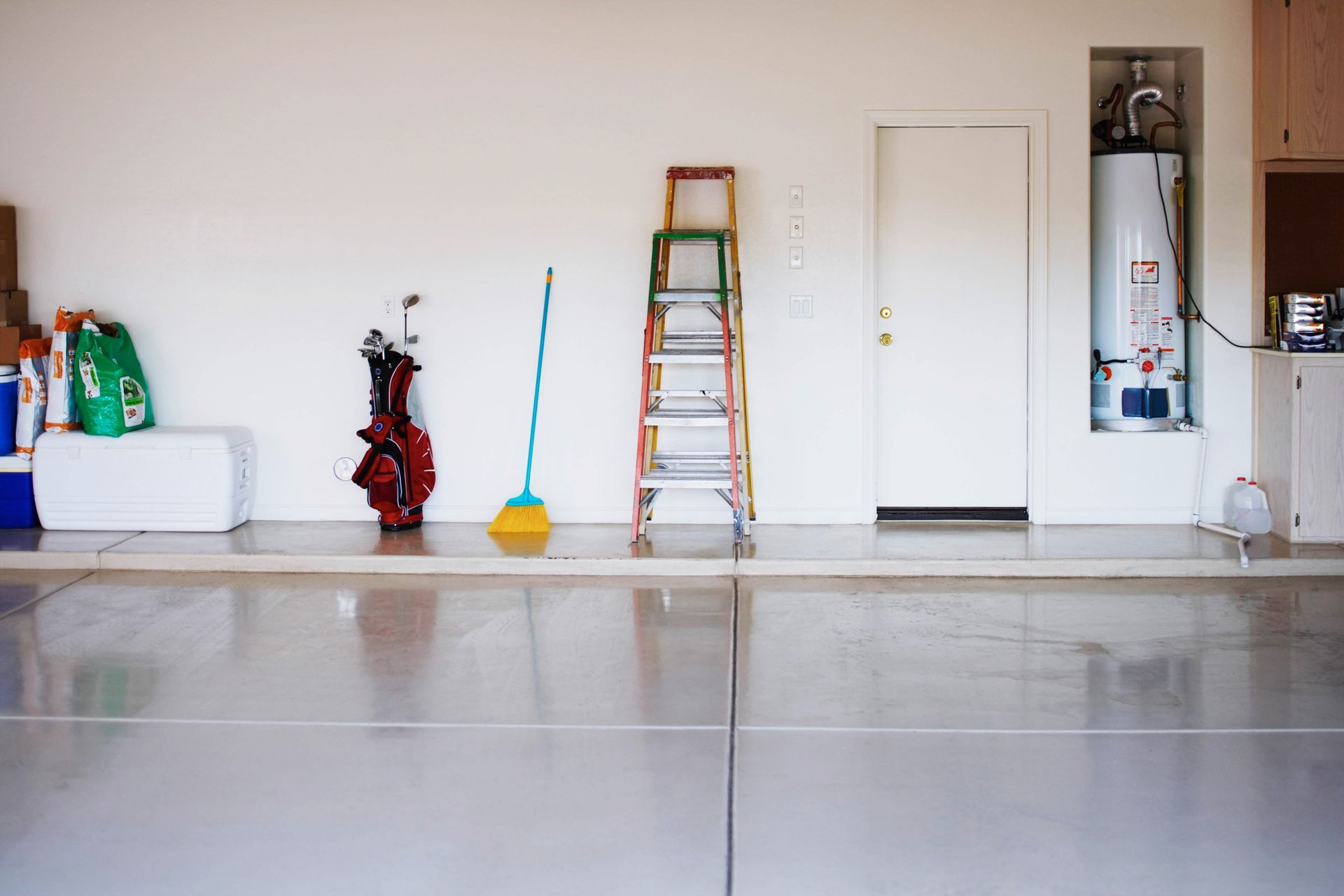
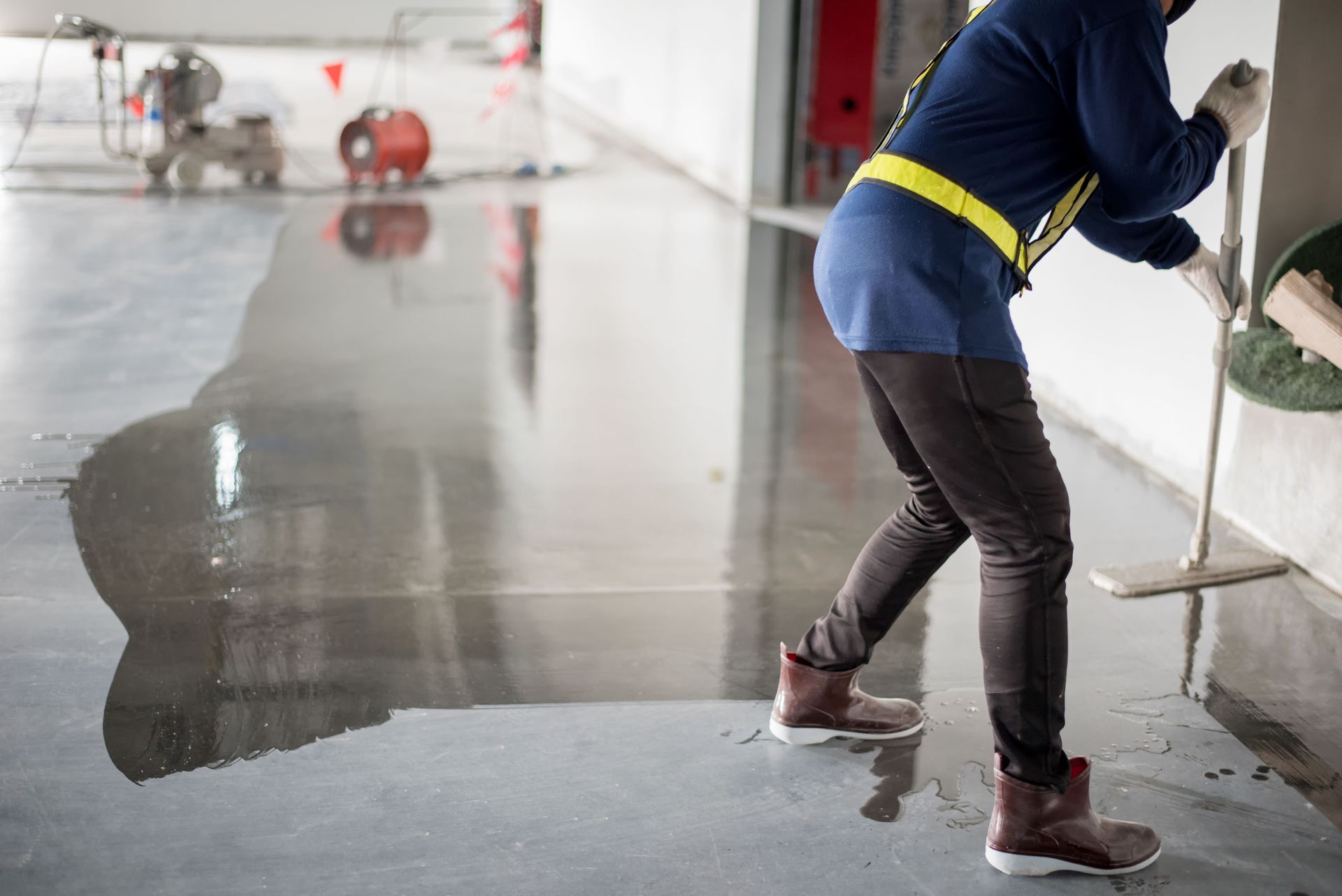
Epoxy coatings are widely recognized for their durability and high-gloss finish, making them a preferred choice for garages, warehouses, and kitchens. Composed of a resin and hardener mixture, they resist stains and heavy abrasion while handling foot traffic and equipment with ease. According to This Old House, epoxy garage floor coatings typically last anywhere from 10 to 20 years, making them one of the most long-lasting local floor coatings available. That said, proper surface preparation — particularly moisture control — is essential before application to avoid adhesion failures.
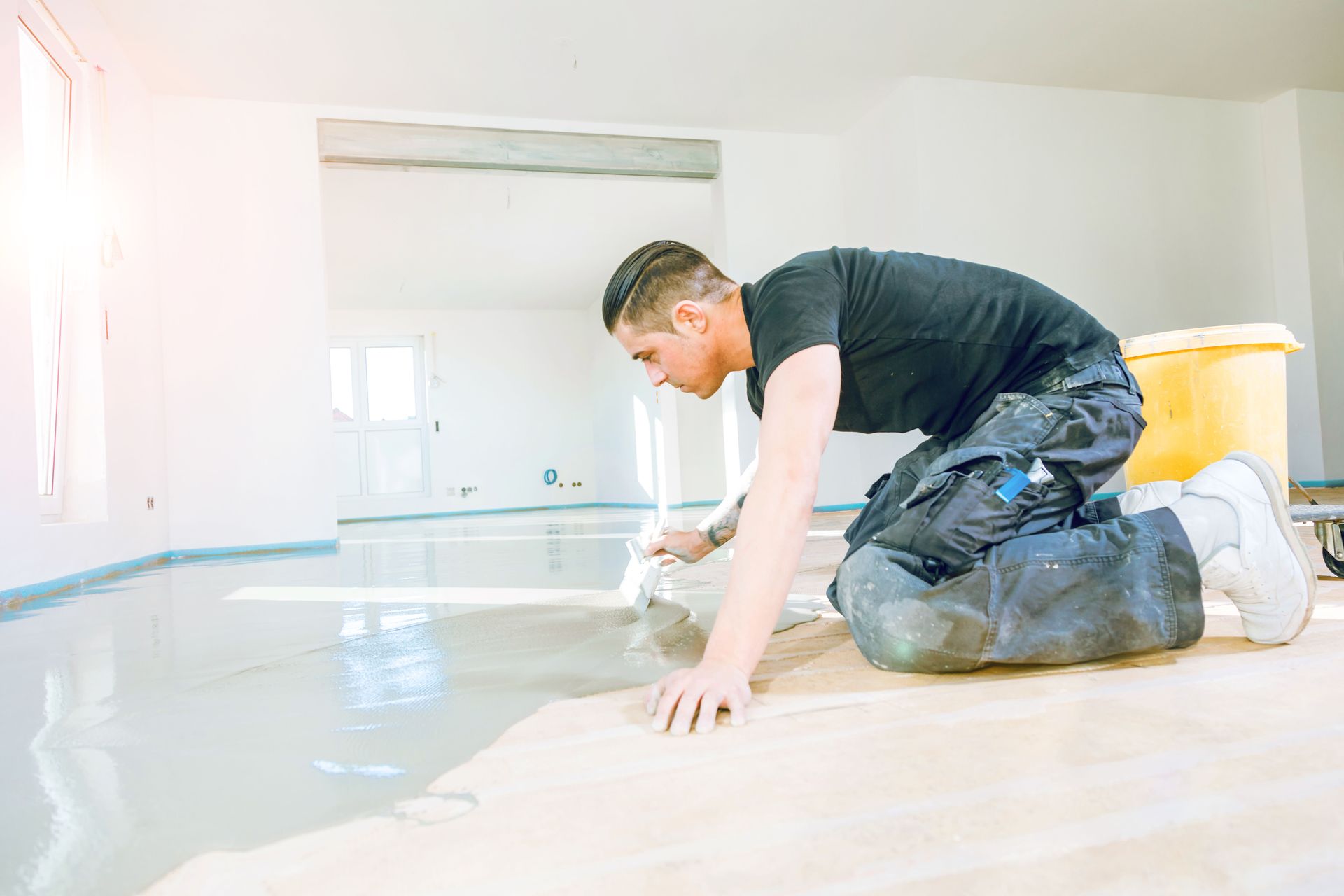
Polyurethane coatings offer a softer, more elastic alternative that excels in environments where both durability and aesthetics matter. Their UV resistance makes them ideal for naturally lit spaces, as they retain color and appeal even after prolonged sun exposure. These coatings perform especially well in dynamic settings like healthcare facilities and aerospace environments, where chemical resistance and flexibility are critical. While thinner than epoxy, polyurethane coatings require skilled application to ensure even, satisfactory coverage.
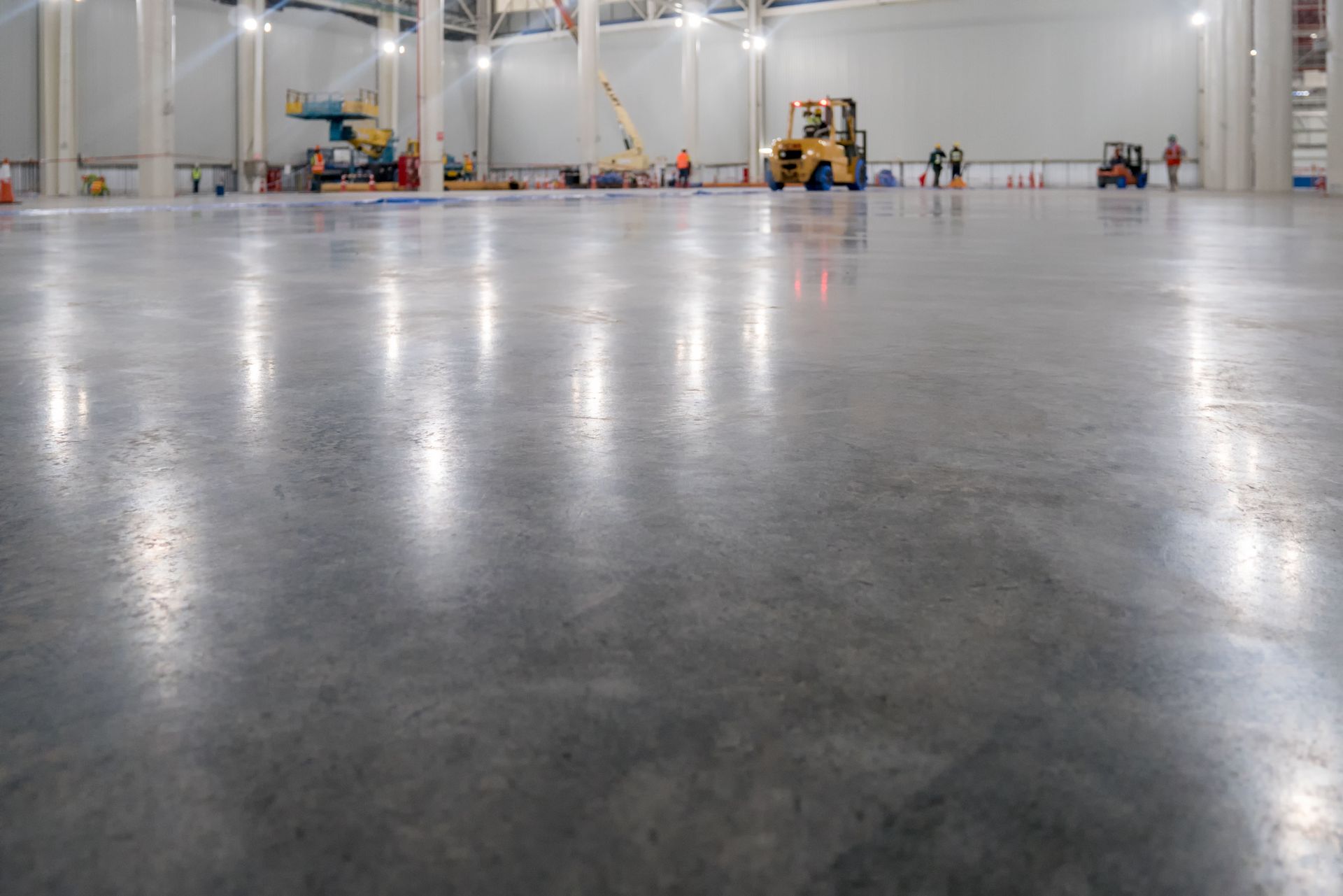
Polished concrete has grown in popularity for its minimalist aesthetic and impressive durability. This coating method involves mechanically grinding the concrete surface to produce a reflective, easy-to-maintain finish. It is an eco-friendly option because it works with existing concrete rather than requiring additional materials, making it a smart choice for both residential and commercial spaces. Hybrid coating systems, which blend epoxy and polyurethane, combine hardness with flexibility and are engineered to withstand chemical stress, temperature fluctuations, and mechanical impact — commonly used in automotive showrooms and laboratories. Meanwhile, newer sustainable options such as soy-based polyurethanes and waterborne coatings minimize volatile organic compound (VOC) emissions and support healthier indoor air quality.
Maintain Floor Coatings for Lasting Benefits
Consistent maintenance is the single most important factor in extending the lifespan of local floor coatings. Routine cleaning and inspection prevent grime and debris from eroding the coating's protective qualities, while addressing minor wear early on avoids costly overhauls later. This proactive approach is especially critical for high-traffic environments where surfaces endure daily stress from both foot traffic and equipment.
Beyond longevity, well-maintained floor coatings contribute meaningfully to safety. Coatings that are regularly cleaned and reapplied retain their slip-resistant properties, which helps prevent accidents in both residential and commercial settings. This is particularly important in spaces with children, elderly occupants, or mandatory workplace safety compliance. Maintenance also preserves aesthetic value — neglected floors can develop discoloration, scratches, and peeling that diminish the overall atmosphere of a space. Routine polishing and resealing keep floors looking pristine and can even boost property value. From a financial standpoint, regular upkeep is far more cost-effective than emergency repairs or full replacements, making it a sound long-term investment.
Recognize Common Challenges in Floor Coating Maintenance
Heavy foot traffic is among the most persistent threats to local floor coatings, gradually wearing down surface layers and leading to both aesthetic and functional deterioration. Placing walk-off mats at entryways, applying protective coatings in high-traffic zones, and conducting periodic touch-ups are all effective preventive strategies. Chemical exposure is another significant concern, particularly in industrial or laboratory settings where spills can cause discoloration or structural damage. Establishing clear spill response protocols and training personnel to use absorbent materials and neutralizing agents promptly can prevent minor incidents from becoming major problems.
Temperature and humidity fluctuations also affect coating performance, potentially causing expansion, contraction, or delamination. Selecting coatings designed for regional climate conditions and maintaining consistent indoor environments with appropriate HVAC systems can mitigate these effects. Improper cleaning techniques pose an equally serious risk — harsh or abrasive products can strip protective layers and cause discoloration. Following manufacturer guidelines for cleaning products and methods is essential. Finally, skipping regular inspections is a common and costly oversight. Scheduling monthly or quarterly walkthroughs allows property owners to detect peeling, staining, or thinning early, enabling minor repairs before they escalate into significant expenses.
Apply Best Practices for Coating Upkeep
A systematic cleaning schedule is the foundation of effective floor coating maintenance. Dust mopping, wet mopping, and spot cleaning should be incorporated into regular routines, with frequency adjusted based on usage levels and peak traffic times. Using pH-neutral, non-abrasive cleaners specifically formulated for the coating type is equally important — harsh or alkaline solutions can corrode protective layers and shorten the coating's life.
Professional maintenance services offer value beyond routine cleaning, providing expertise in re-coating, polishing, and detailed inspections that address areas of heavy wear. Periodic professional care helps sustain the overall quality of local floor coatings and contributes to both safety and aesthetics. Protective measures such as floor mats, seals, and barrier materials in entryways and workstations further reduce wear and limit exposure to staining agents. Training staff or household members on proper cleaning techniques, spill response, and handling of cleaning products fosters a culture of accountability that keeps coatings in excellent condition long-term.
Leverage Local Resources and Look Ahead
Local contractors and specialists bring region-specific knowledge that is invaluable when selecting and maintaining local floor coatings. They understand environmental factors unique to the area, can recommend suitable materials and techniques, and often have established relationships with nearby suppliers that make sourcing high-quality products more affordable. Local suppliers themselves offer convenient access to specialized cleaning agents and tools, along with expert advice that larger chain retailers may not provide. Sourcing locally also reduces the carbon footprint associated with shipping, supporting both sustainability and community businesses.
Looking ahead, the floor coating industry is evolving rapidly. Nanotechnology and smart coatings are delivering self-healing properties and greater resistance to abrasion and chemical exposure. AI-driven cleaning systems with sensors and cameras can autonomously manage large spaces, enabling predictive maintenance before problems develop. Sustainable innovations — including water-based formulas and bio-based materials — are reducing VOC emissions and resource consumption across the full lifecycle of a coating. Customization is also advancing, with 3D printing and virtual modeling enabling personalized patterns, textures, and colors that align with modern architectural and branding needs. Staying informed about these trends helps property owners make smarter decisions when investing in floor coatings.
Proper maintenance of local floor coatings is not a luxury — it is a necessity for protecting safety, preserving aesthetics, and maximizing long-term value. Whether managing a commercial facility or a residential space, the principles of routine cleaning, timely inspections, and professional upkeep apply universally. If you need expert guidance and high-quality results, contact us at Ultimate Concrete Coatings today. We will help you protect your floors for years to come!