March 13, 2026
Epoxy flooring has become one of the most popular upgrades for garages, workshops, basements, and even commercial spaces. Property owners often choose it because it delivers durability, a polished appearance, and long-term protection for concrete surfaces. Compared to traditional floor paints or sealers, epoxy forms a strong chemical bond with the concrete underneath, creating a tough layer that can withstand heavy use.
However, installing epoxy floor coatings involves more than simply rolling a product onto the surface. The process requires proper preparation, careful timing, and an understanding of how epoxy materials behave during curing. Whether you're considering a DIY project or hiring professionals, knowing the basics can help you avoid costly mistakes. Here are seven important facts you should understand before installing epoxy floor coatings.
1. Surface Preparation Is the Most Important Step
Many epoxy flooring problems trace back to poor surface preparation. Epoxy floor coatings bond directly with the concrete underneath, which means the surface must be clean, dry, and free from contaminants before installation begins.
Concrete often contains oils, grease, dust, and other residues that prevent epoxy from bonding properly. If these contaminants remain on the surface, the coating may peel, bubble, or fail to adhere altogether. That's why preparation typically includes deep cleaning, degreasing, and mechanical grinding or etching.
Grinding the concrete opens the pores of the surface so the epoxy can penetrate and create a stronger bond. Skipping this step or relying only on basic cleaning products can lead to premature failure. Professional installers typically use specialized equipment to create the right surface profile for epoxy floor coatings.
Cracks and surface damage must also be repaired before applying epoxy. Small cracks can expand over time if they're left untreated, which may cause the coating to split. Filling and leveling the surface helps produce a smooth and durable finished floor.
2. Epoxy Is Much More Durable Than Standard Floor Paint
Some people confuse epoxy flooring with ordinary floor paint, but the two materials perform very differently. Traditional paint sits on top of the surface and can wear down quickly in high-traffic areas. Epoxy floor coatings, on the other hand, create a thick, protective layer that chemically bonds to the concrete.
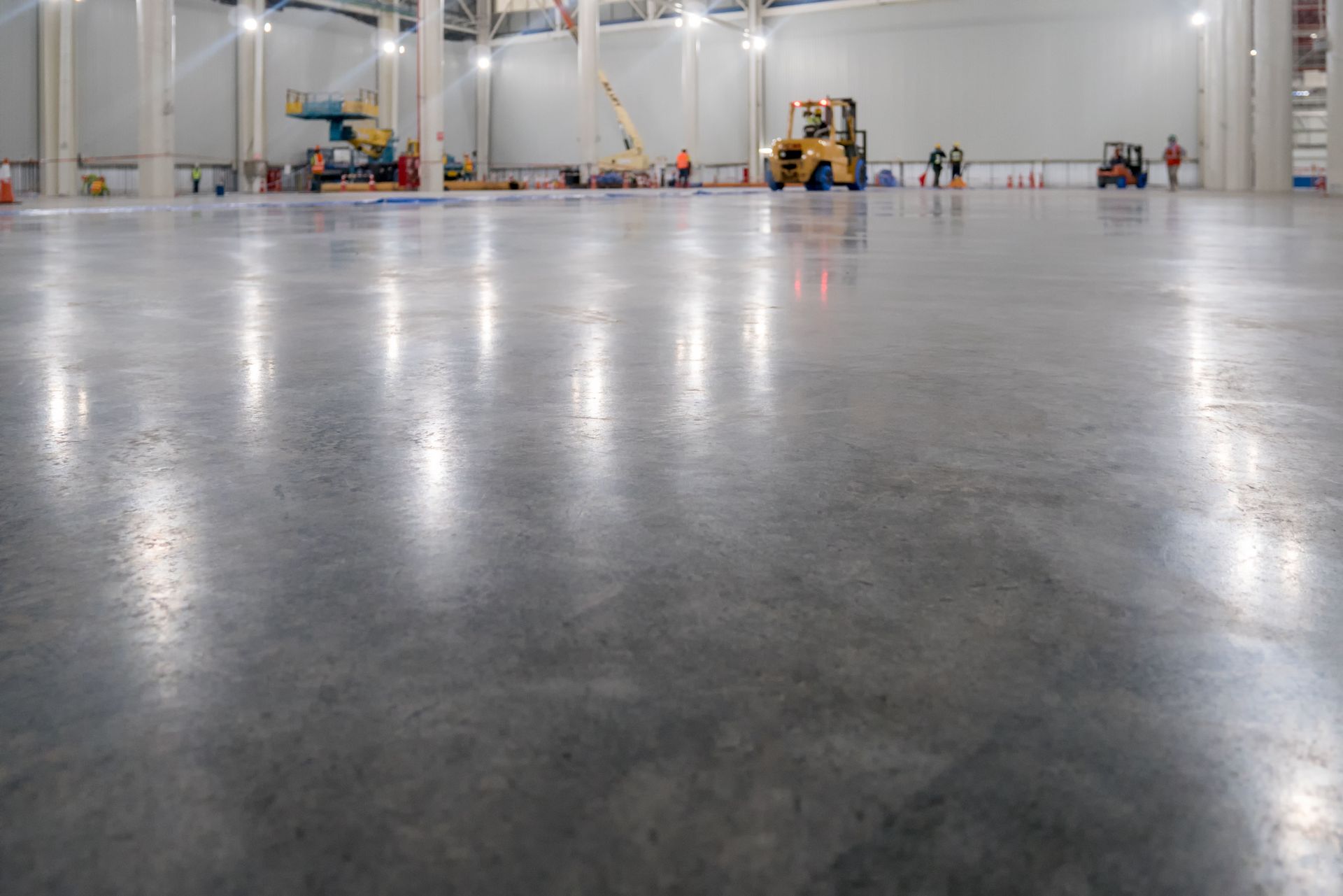
This chemical bond produces a hardened surface that resists impact, abrasion, and heavy loads. That's one reason epoxy flooring is commonly used in garages, warehouses, factories, and automotive shops where floors must handle significant wear.
Epoxy coatings also offer strong resistance to chemicals, including oil, gasoline, cleaning agents, and other substances that might damage untreated concrete. This protective quality helps maintain the floor's appearance while preventing stains and deterioration.
Because of their strength, epoxy floor coatings often last for years with minimal maintenance. With proper installation and care, they can maintain their glossy appearance and protective qualities far longer than conventional coatings.
3. Proper Curing Time Is Essential for Long-Term Performance
Once epoxy is applied, it doesn't immediately reach its full strength. The material needs time to harden and cure properly before the floor can handle traffic or heavy equipment.
According to This Old House, epoxy floor coating takes 24 to 72 hours to cure properly for foot traffic. During this curing period, the coating undergoes a chemical reaction that allows it to harden.
Walking on the floor too soon can leave permanent marks or disrupt the curing process. In addition, placing heavy items such as vehicles, storage racks, or machinery on the floor before it fully cures may weaken the coating and shorten its lifespan.
Temperature and humidity also affect curing time. Cooler temperatures can slow the process, while warm conditions may accelerate it slightly. Professional installers carefully monitor these factors to help epoxy floor coatings cure properly and achieve their maximum durability.
4. Epoxy Floors Come in a Variety of Styles and Finishes
One of the biggest advantages of epoxy flooring is its design versatility. While many people associate epoxy floors with simple gray finishes, modern epoxy floor coatings are available in a wide range of colors, textures, and decorative styles.
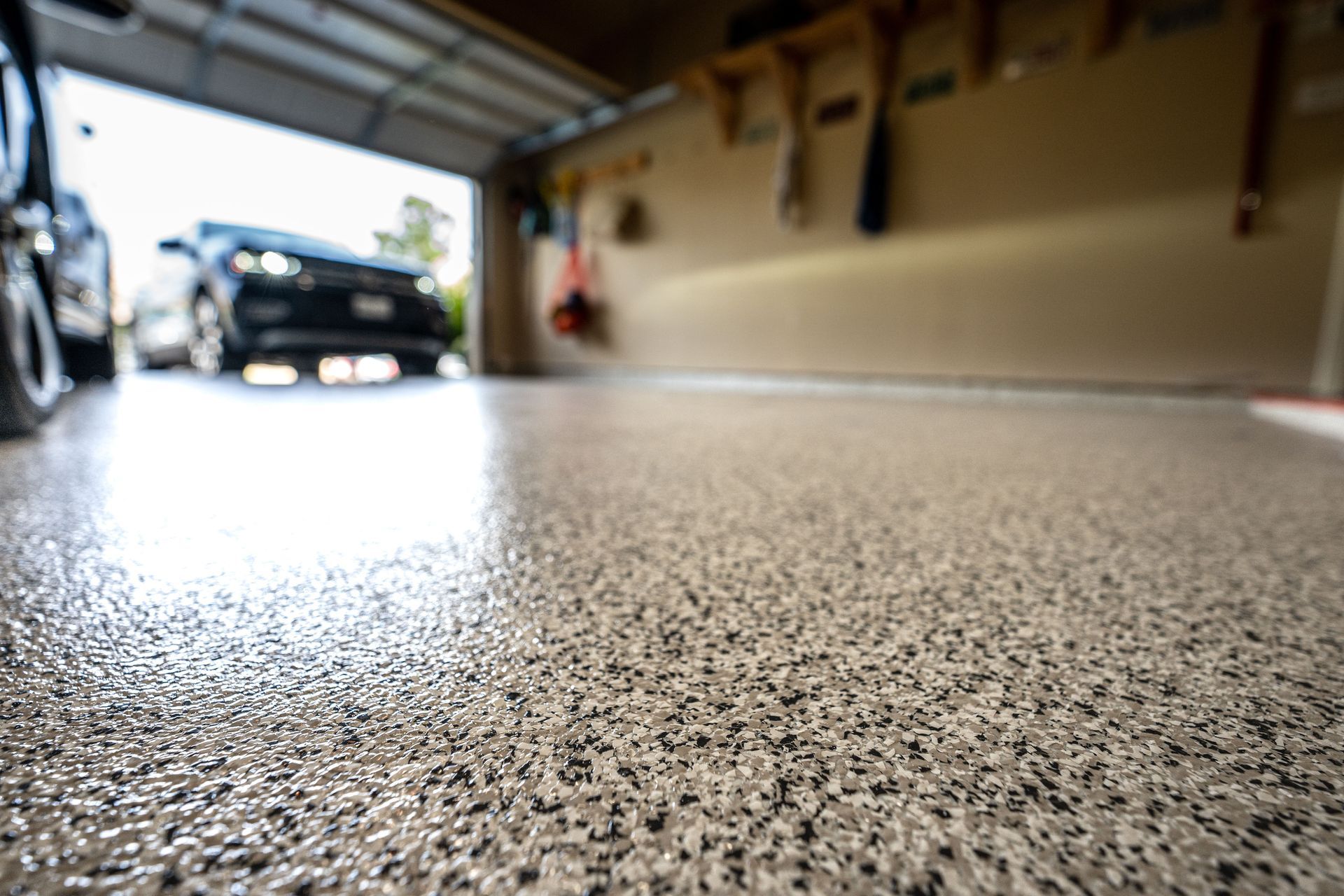
Metallic epoxy systems create dramatic swirling patterns that resemble polished stone or liquid metal. Decorative flake systems include colored vinyl chips embedded in the coating, producing a textured surface that also improves slip resistance.
Solid-color epoxy floors remain a popular option for garages and commercial settings because they provide a clean, professional look. High-gloss finishes can brighten dark spaces by reflecting light across the floor.
These design options allow property owners to customize their flooring to match the style of their home or business. Whether someone prefers a sleek modern look or a textured, industrial finish, epoxy floor coatings offer flexible design possibilities.
5. Moisture Issues Can Affect Installation
Moisture is one of the most common challenges when installing epoxy flooring. Concrete naturally absorbs and releases moisture, which can interfere with the bonding process if it isn't addressed beforehand.
If moisture rises through the concrete slab after epoxy has been applied, it can cause bubbling, blistering, or peeling. These problems may appear weeks or months after installation if the moisture levels weren't properly evaluated.
Professional installers typically conduct moisture tests before applying epoxy floor coatings. These tests determine whether the concrete contains excess moisture that could compromise the coating.
If moisture is present, additional steps such as applying a moisture barrier or vapor mitigation system may be necessary. Addressing this issue before installation helps protect the floor and improve the longevity of the coating.
6. Installation Conditions Matter More Than Many People Realize
Temperature, humidity, and ventilation all influence the success of epoxy installation. Epoxy products contain chemical components that react during mixing and curing, and environmental conditions can change how quickly those reactions occur.
Most epoxy floor coatings perform best within specific temperature ranges. If the environment is too cold, the epoxy may thicken and become difficult to spread evenly. If temperatures are too high, the material may cure too quickly, reducing working time and creating uneven surfaces. Humidity also plays a role. High humidity levels can introduce moisture into the coating, which may affect adhesion and finish quality.
Ventilation is another important consideration. Adequate airflow helps maintain consistent curing conditions and can reduce the buildup of fumes during installation. Professional installers often monitor environmental conditions closely to maintain the ideal setting for epoxy floor coatings.
7. Professional Installation Can Improve Long-Term Results
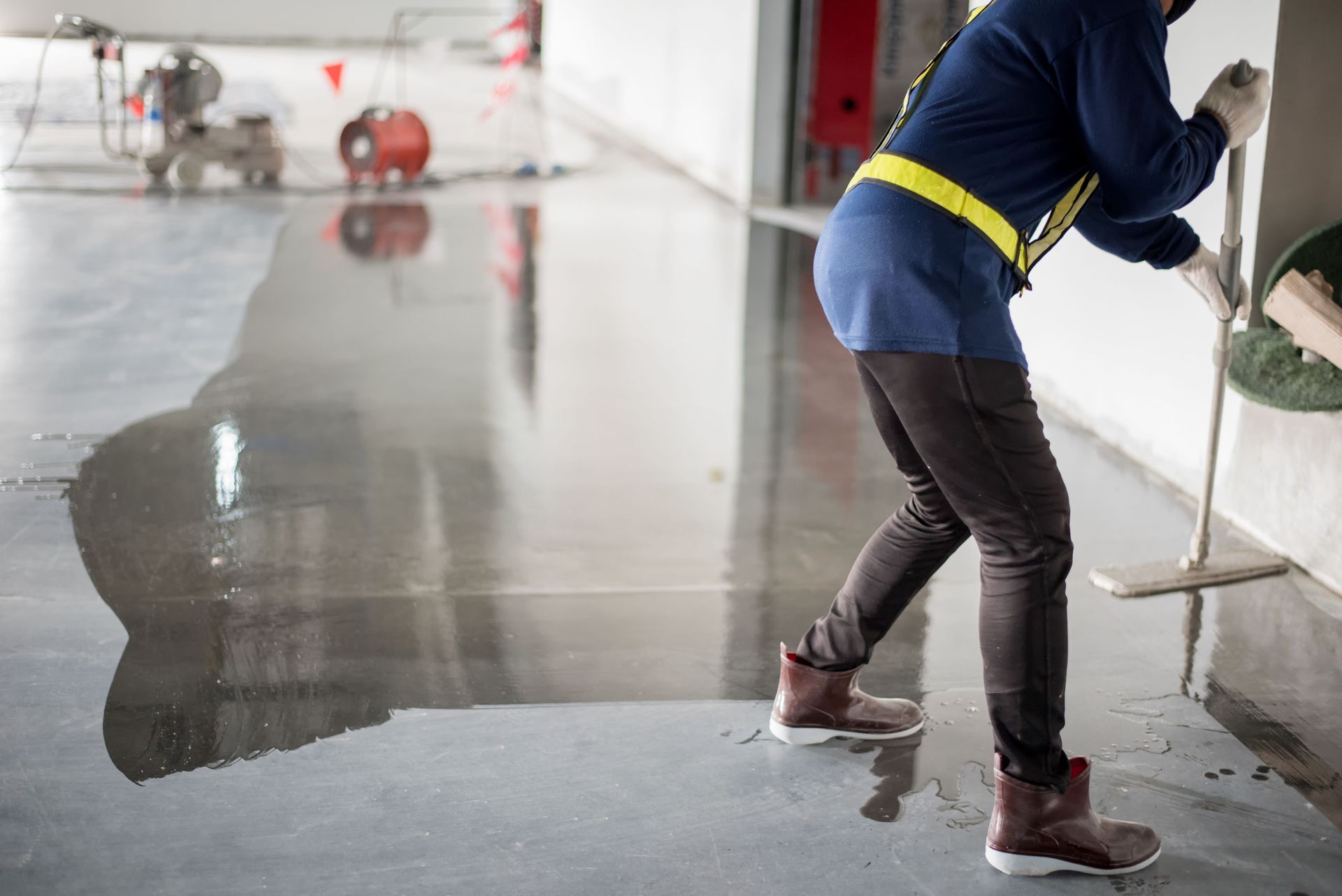
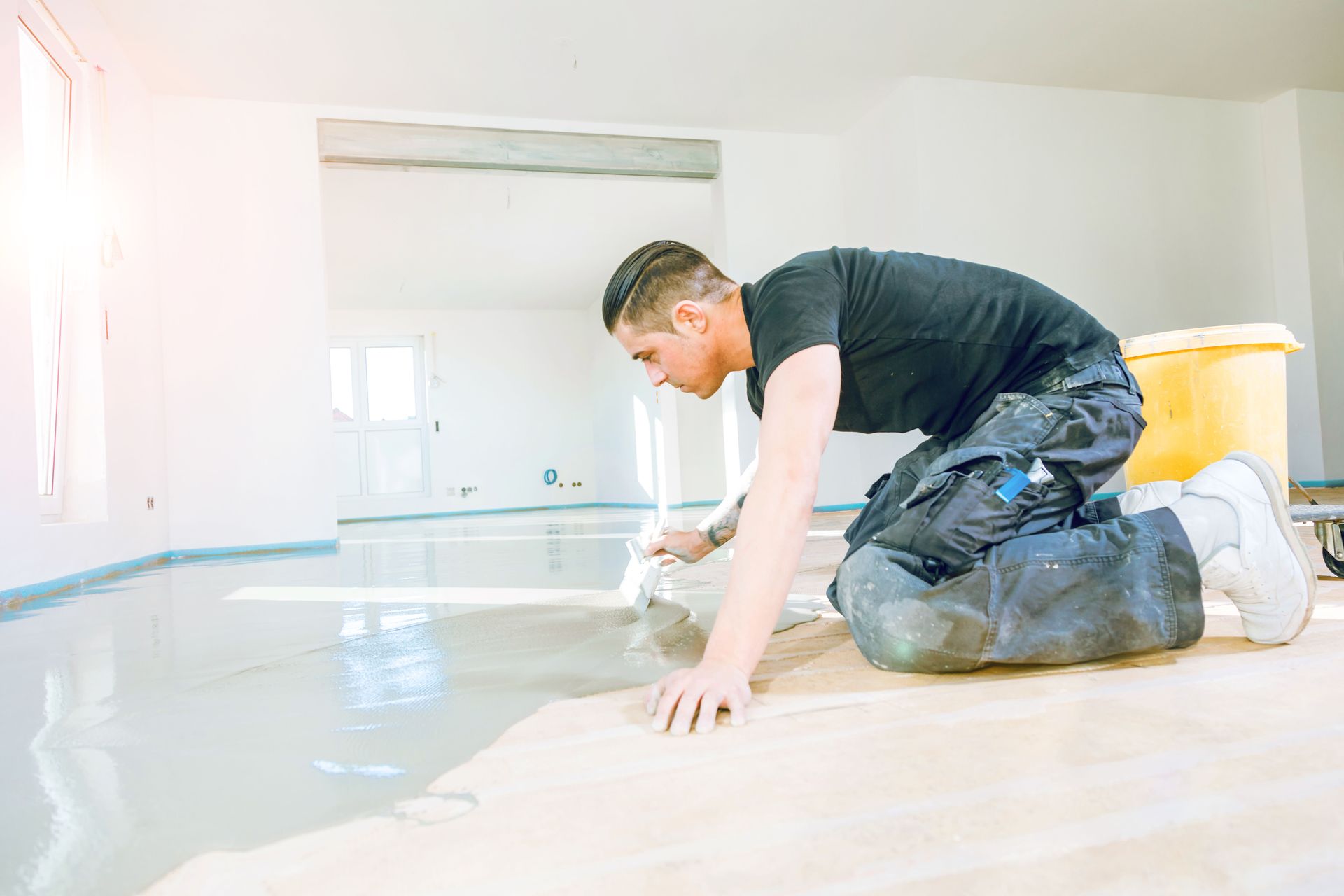
While DIY epoxy kits are widely available, professional installation often produces better and longer-lasting results. Installing epoxy floor coatings requires special tools, materials, and technical knowledge that many homeowners may not have.
Professionals typically use industrial-grade grinders to prepare the surface properly. They also understand how to mix epoxy components accurately and apply them at the correct thickness. These details make a significant difference in how well the coating performs over time.
Experienced installers can also identify potential problems before the project begins. For example, they can detect moisture issues, surface damage, or structural concerns that might affect the finished floor.
Additionally, professional installers often use higher-quality epoxy systems than those found in retail kits. These commercial-grade products tend to be thicker, more durable, and designed to withstand heavier traffic. For property owners who want the best possible results, professional installation can help maximize the lifespan and performance of epoxy floor coatings.
Epoxy flooring offers an attractive and durable solution for protecting concrete surfaces in garages, basements, and commercial environments. Its ability to resist chemicals, withstand heavy traffic, and create a polished appearance makes it a popular choice for many property owners. However, successful installation depends on understanding the process and preparing the surface correctly. From proper concrete preparation and moisture testing to allowing adequate curing time, each step plays a role in the final performance of the floor. By learning these key facts about epoxy floor coatings, you can make informed decisions and achieve a long-lasting, professional-quality result when you turn to Ultimate Concrete Coatings. Contact us today to get started!